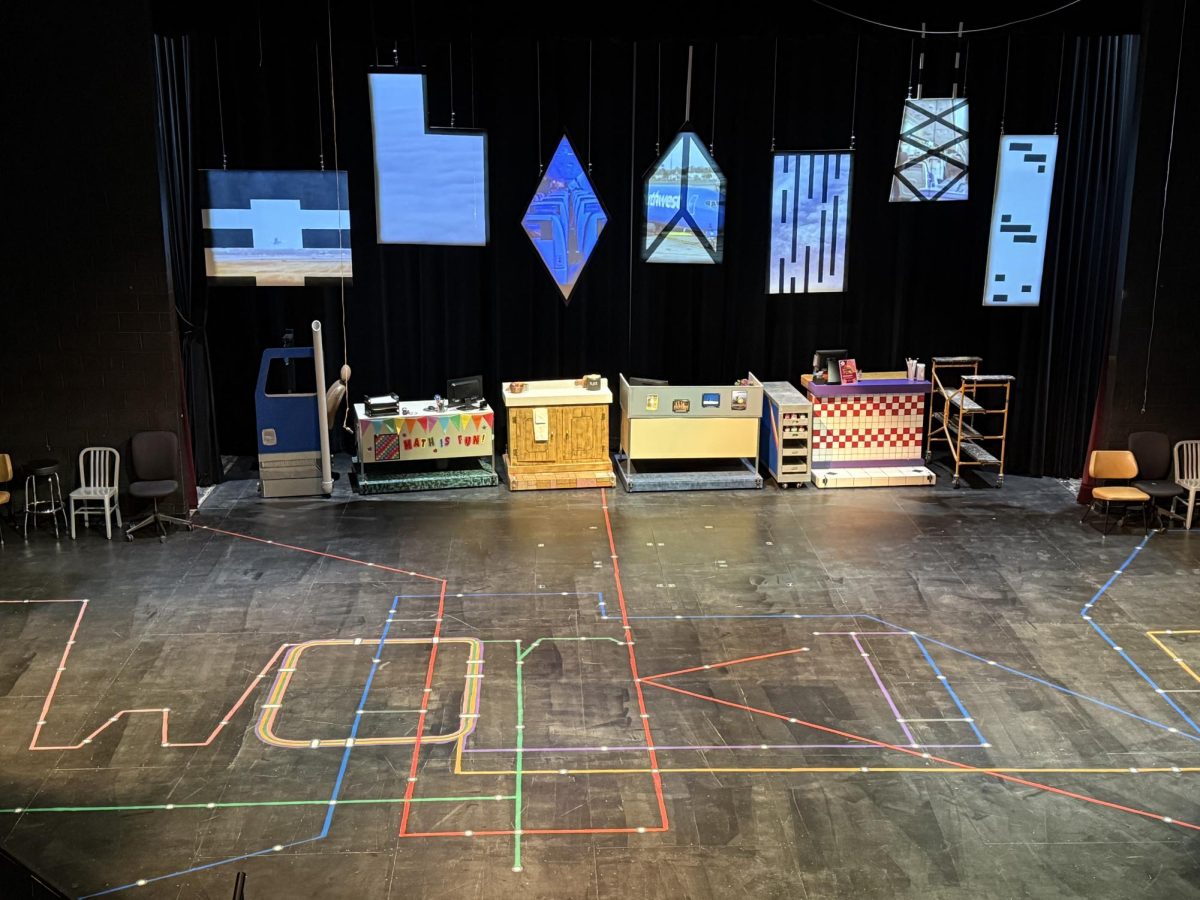

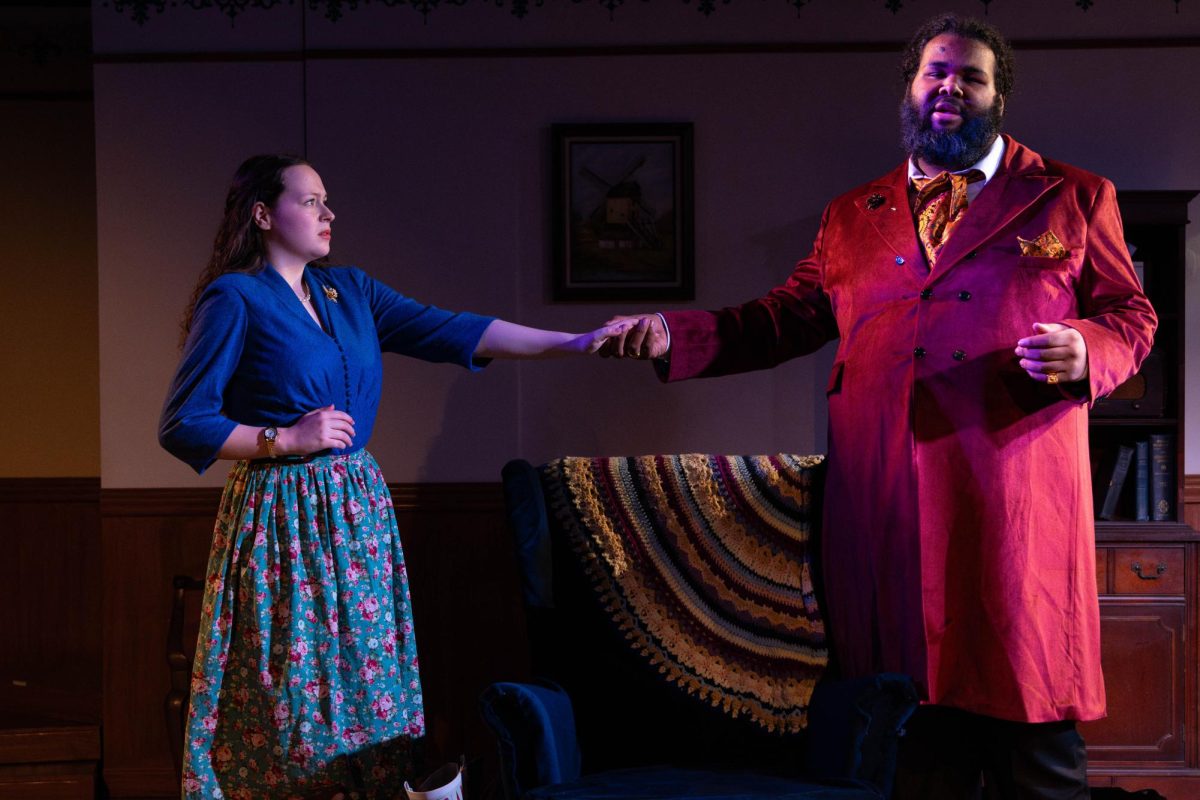

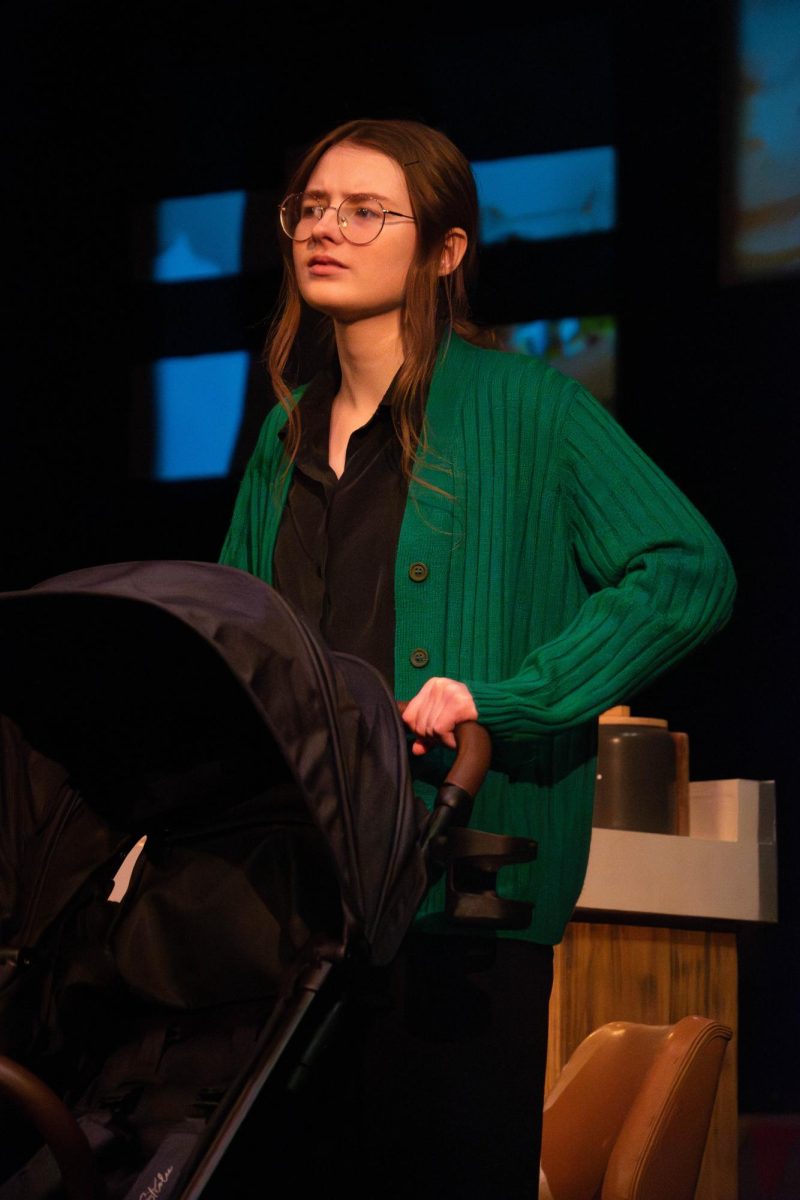






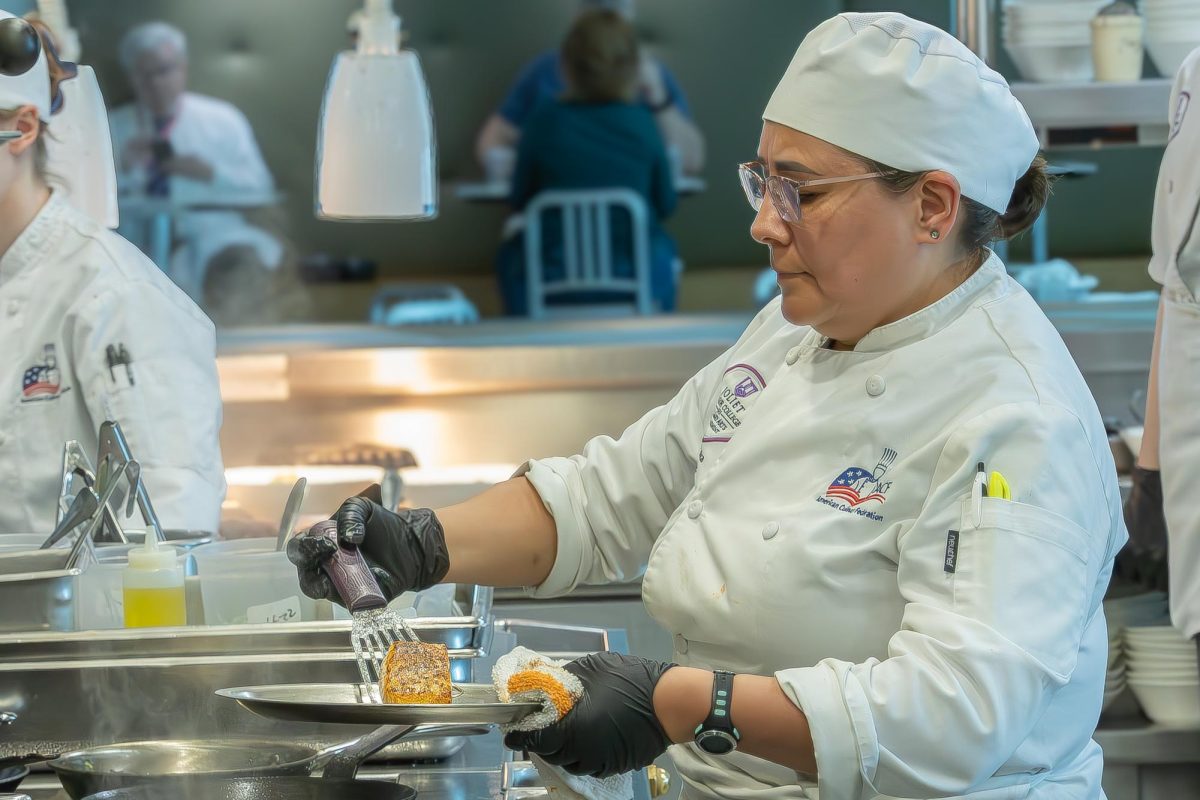






Blue-collar workers make up roughly 27% of the American workforce, according to the Pew Research Center—the very people at the heart of JJC’s upcoming musical, “Working,” a show based on the 1974 oral history book of the same name written by Studs Terkel.
The book, which features over 100 interviews with Americans of various professions, pulls back the curtain and offers insight on jobs ranging from a firefighter to a grave digger. The book is written in an informal, unscripted style, where each interview starts with some background about the subject, then goes straight into their stories.
Four years after it was published, “Working” was adapted into a musical, premiering on Broadway in Chicago in May of 1978. It was later revised and shortened in 2010.
“The musical is constructed in pieces to represent the lives of ordinary people,” says Brian Fruits-Esparza, the musical’s director, “And when I say ordinary, I mean people that we sometimes don’t think about very often. This play represents the workforce, the common person in America, and their desires, their dreams, their fears, their motivations.”
This is Fruits-Esparza’s sixth year at JJC, and he’s been in education and directing for over twenty years.
But despite his long history with theater, his path to becoming a director began more like something out of the 2006 teen movie “High School Musical.”
“I was actually a three-sport athlete, and I was always into literature and poetry. I was as raw as sushi in the ways of theater. My choir teacher, senior year, said, “Why don’t you audition for the musical?” And I laughed, and I said, “No way.””
But with a little more nudging, Fruits-Esparza eventually conceded, deciding (in his words) “why not?”
“And I got the lead,” he says. “I don’t know how I got the lead in the musical. And the rest is history.”
Fruits-Esparza connected the premise of “Working” to the real lives of his cast, noting that at a community college, committing to theater can be a challenge.
“A lot of our students, they work jobs, plural, jobs. They have families of their own. They want to be involved in theater. You’ve got to work with them. I think this play, in particular, it provides a lot of flexibility in casting.”
He went on to explain that because the musical is fragmented, it’s easier to pull specific actors for a certain amount of time, working with their availability.
When asked about choosing the musical, Fruits-Esparza said that although “Working” is lesser known to younger audiences, he and his team felt it was the best choice for JJC students right now. He was also drawn to the musical because of its heart.
“We don’t always think about the person fixing a furnace or taking care of landscaping. Those are hard jobs, and they don’t pay well. But you know what? They’re the same type of people that you and I are. And that’s what this play is about—what makes them tick and why they do what they do and how they get through it. We need to talk about these things in America because the majority of people are not rich.”
He went on to say that the show actually features real dialogue from workers in America, many of the monologues and songs being taken directly from lines of the book.
The authenticity of the characters is something Fruits-Esparza believes has truly resonated with the cast, particularly for those who have these types of workers in their everyday lives.
“To me, the musical is shedding light on the working class as a unit and how undervalued and underrepresented they are,” third-year JJC student and cast member Valeria Ibarra says.
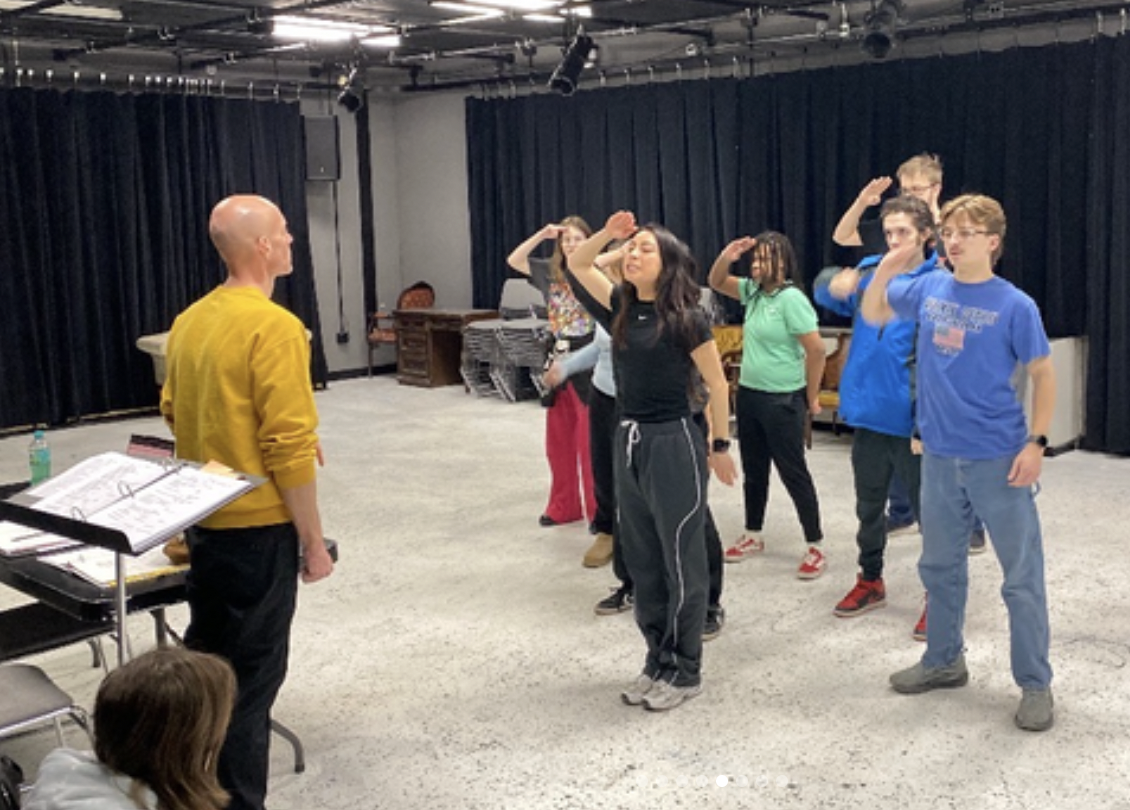
Ibarra has been in two previous JJC productions, and her character’s name in “Working” is Freddie Rodriguez, a fast food delivery worker who, according to Ibarra, is “just trying to pay their bills and find their place in this world.” She shared that her love for theater and for the JJC theater staff is what prompted her to audition for the musical. She says the hardest part of rehearsal so far has been the choreography, as it requires a lot more endurance than she anticipated.
“The working class is the backbone of society,” Ibarra says when asked about the show’s message. “And I’m proud to share this truth through art with JJC.” She reads a quote from Martin Luther King Jr., saying she feels it’s the best way she can sum up the theme of the show. The quote is “All labor that uplifts humanity has dignity and importance.”
Fruits-Esparza echoed a similar sentiment, saying he thinks the cast respects the message of the musical and what they’re trying to do.
“The show doesn’t use their real names, but it uses their real words from interviews,” he said. “I think that really struck a chord with a lot of them. A lot of the students, they see a character who has a certain job, and they’re like, “Oh my gosh, my mom has that job. ”So they’re helping each other out.”
When asked what she hopes the audience will take away from the show, Ibarra answered, “I hope people are able to see pieces of themselves in this musical and feel appreciated or seen. I also hope people can aim to be kinder and more human when interacting with others, especially people on the clock.”
The musical’s opening night is Thursday, March 5, with additional shows on Friday, March 6, Saturday, March 7 and Sunday, March 8. You can purchase tickets here.