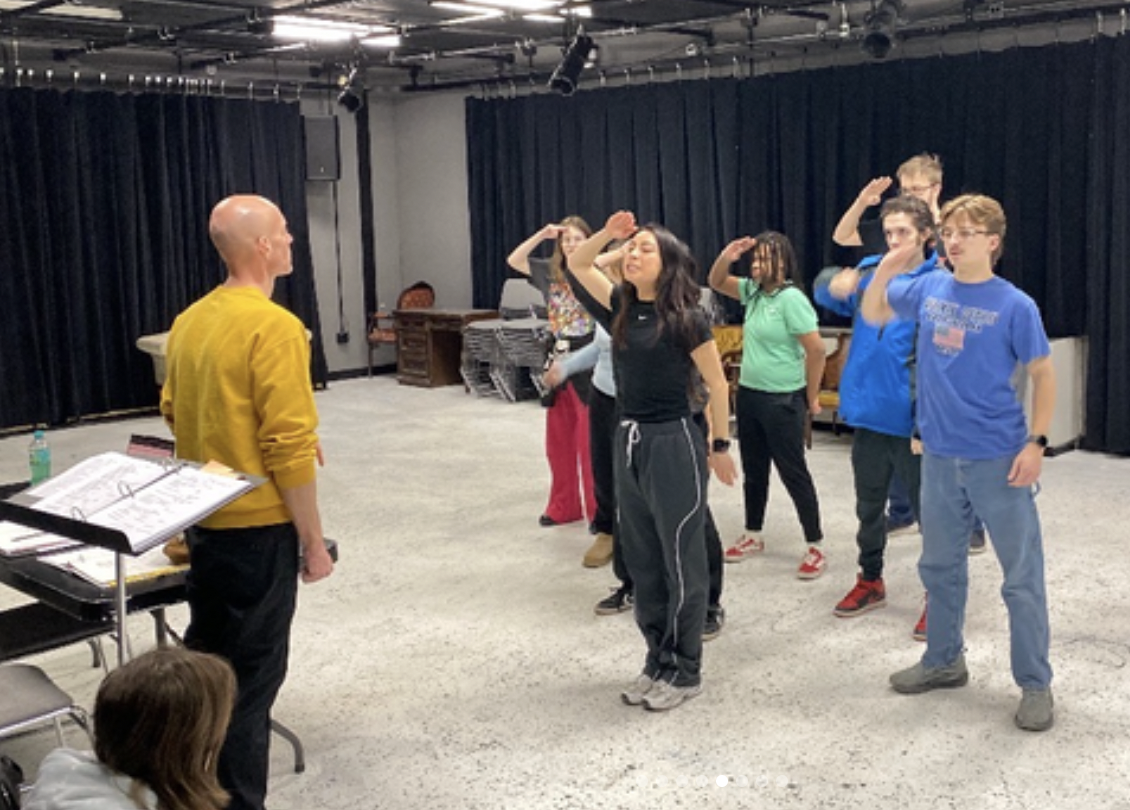

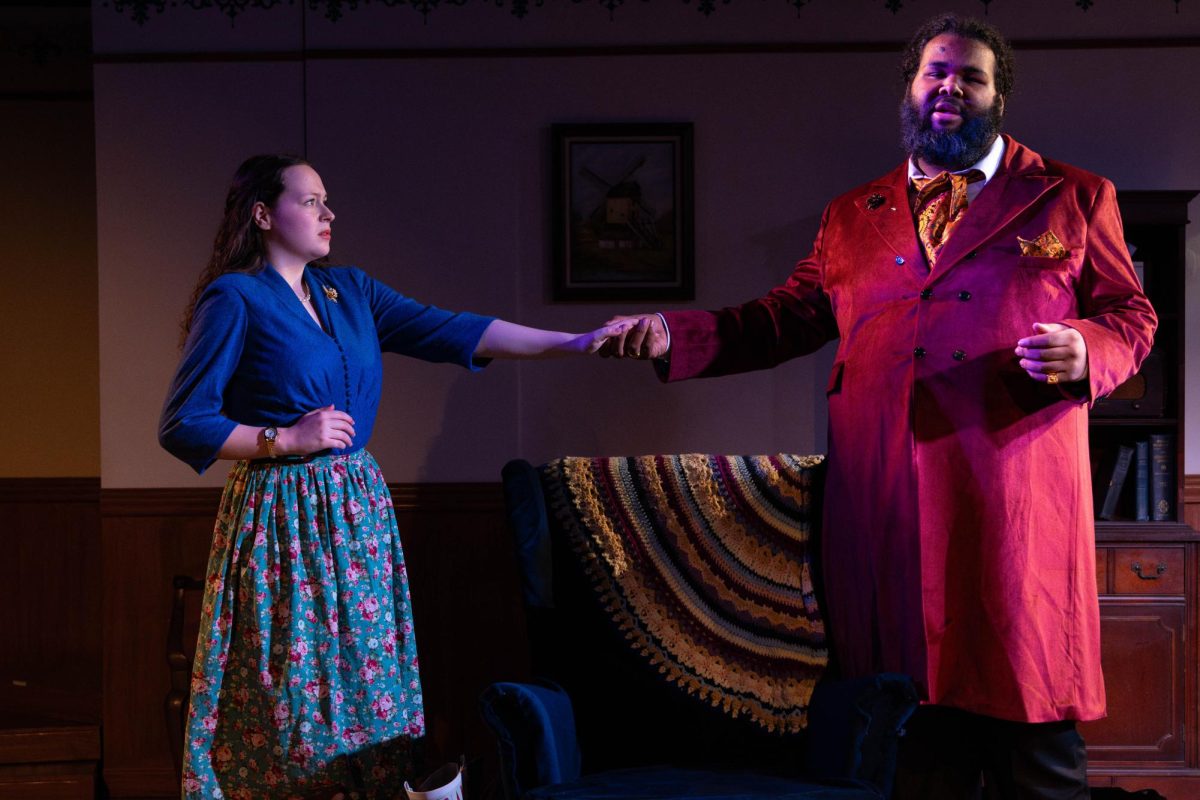
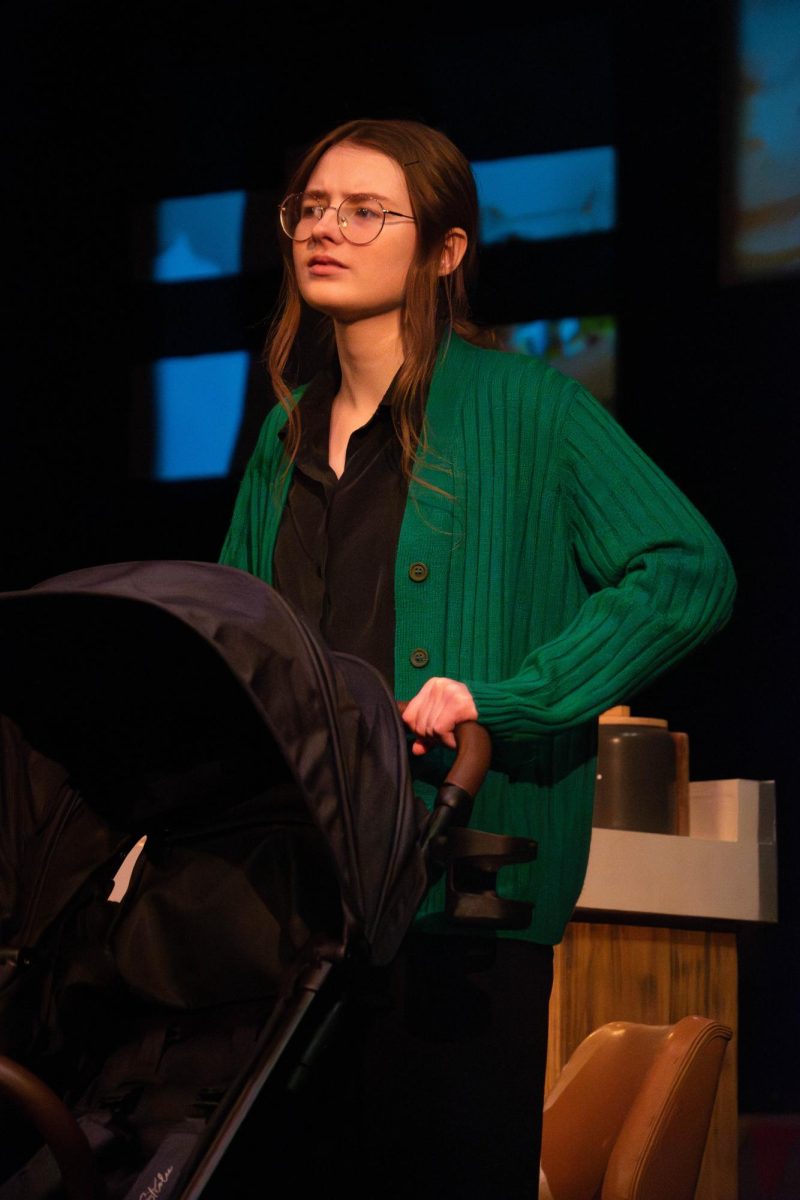



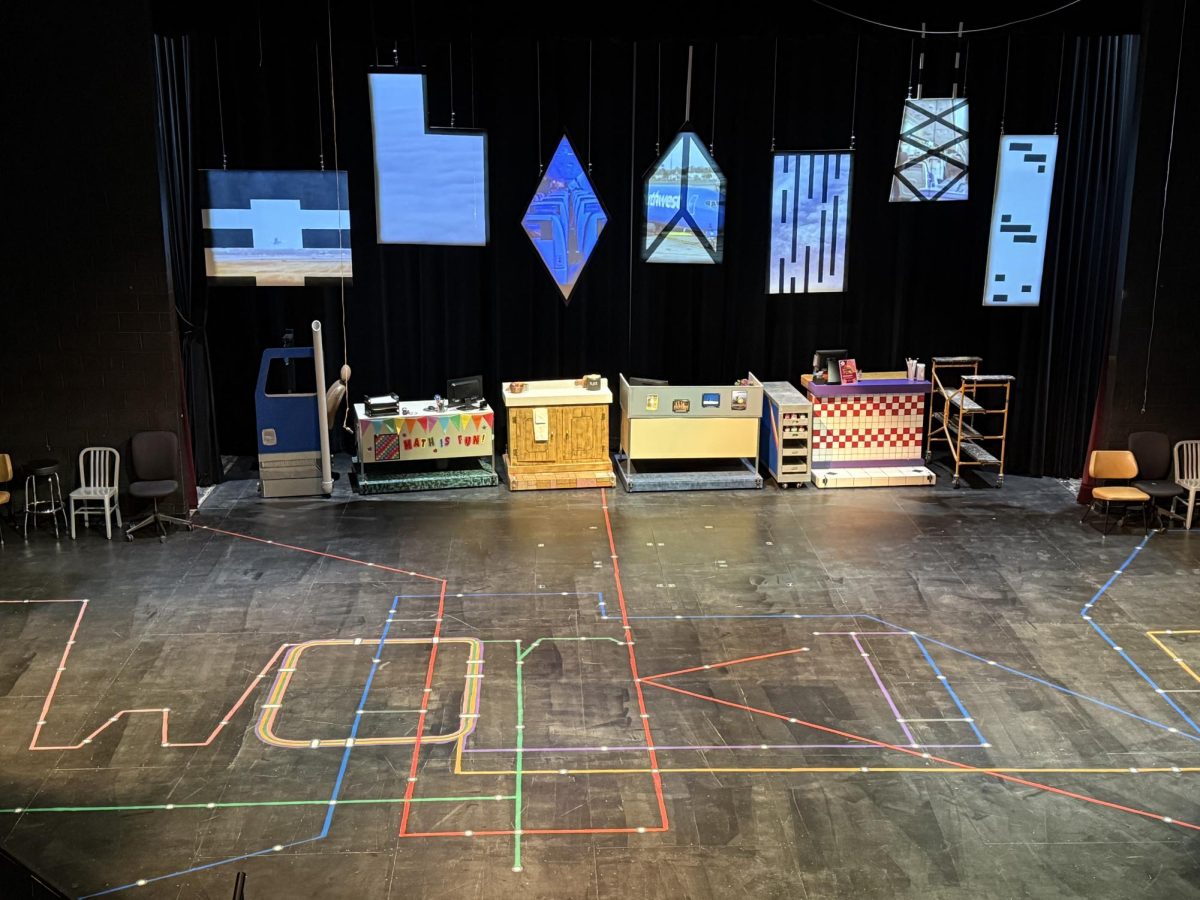
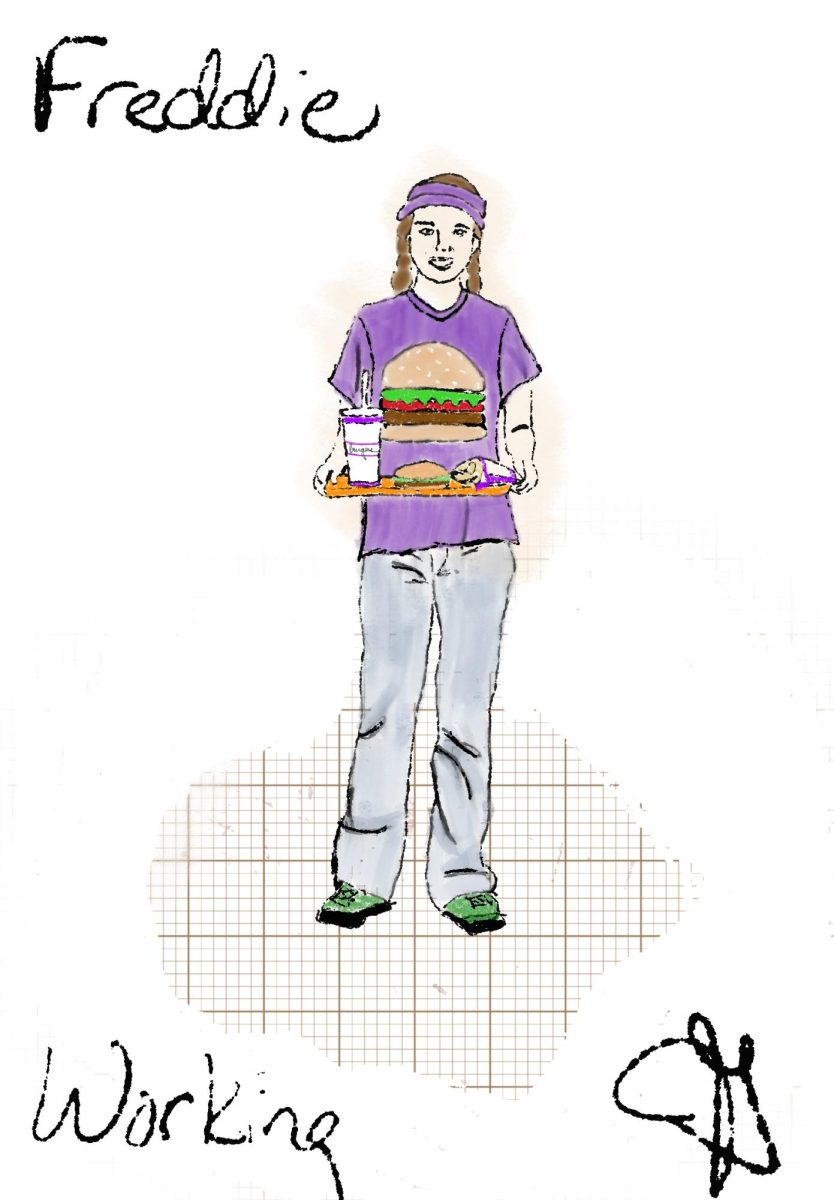
Joliet Junior College will preform the musical “Working,” directed by Professor Brian Fruits-Esparza, this March. From casting to costume and set design, to the lighting and the sound, the JJC theatre program had one common goal, to take Fruits-Esparza’s idea and flesh it out into a show for the masses. But what did that process look like?
In truth, it began last semester in a meeting, as all other productions do. The theatre program must constantly stay one season (semester) ahead, working within it’ budget to decide what two productions will work best together. They also try to put on productions with different tones.
“We try to give the audience things that are fun and funny, things that are maybe more dramatic. Most recently we’ve done Frankenstein, which was more thrilling,” said Julie Giampaolo, professor of design for the theatre department.
From there, the team meets with the director to get a general idea of their vision and to begin crafting that vision into reality. This starts with sketches and digital designs trying to get the core concepts for character and set designs ironed out.
“For ‘Working’, I was already building before Christmas,” said Zoe Speer, technical director and scenic designer.
The set is built within the confines of the “Little Shop of Horrors” located within the department. It is here that backgrounds, props, costumes and more are stitched, painted, occasionally repainted, and tinkered with.
Michael Bates, a graduate from the University of Wisconsin-Whitewater, is an assistant to Speers and helps with the coloring and building of flats (the flat painted scenery pieces).
“I worked in Disney World in their costume design, and then I realized working for Disney isn’t as fun as I thought,” Bates said.
These three do not work alone being joined by a cast of fellow student employees.
“We involve students at every level. We have them working power tools, running the boards, and running the shows. Any student can be involved; they don’t have to be theatre majors,” Giampaolo said.
Once auditions are finished, and the cast is chosen, measurements are taken and the costumes can begin being created. Some are taken from the old productions and some need to be bought off the rack. No matter where they come from, the next step is always alteration whether it be sizing or changing the design all together.
After the set construction is complete, the team can begin crafting the dynamic lighting as well as any projection needs for the show. The musical productions tend to have around 300 individual light cues.
“Every time you see the light change on stage, that is a numbered cue, that someone has thought up and programmed into the board,” Giampaolo said.
With some finishing touches and plenty of rehearsal, the production is almost in its final form, ready for an audience to see. However, this does not mean rest for the team. Currently they are working on the follow up to “Working” which will be “Mousetrap” directed by Jeff LaRocque, who is an Instructional Designer here at JJC.
This team puts in so much work just for the sake of art and to help bring a director’s dream to life, and that is something truly worth admiration. You can see “Working” on March 5-7 at 7 p.m. or March 8 at 8 p.m