
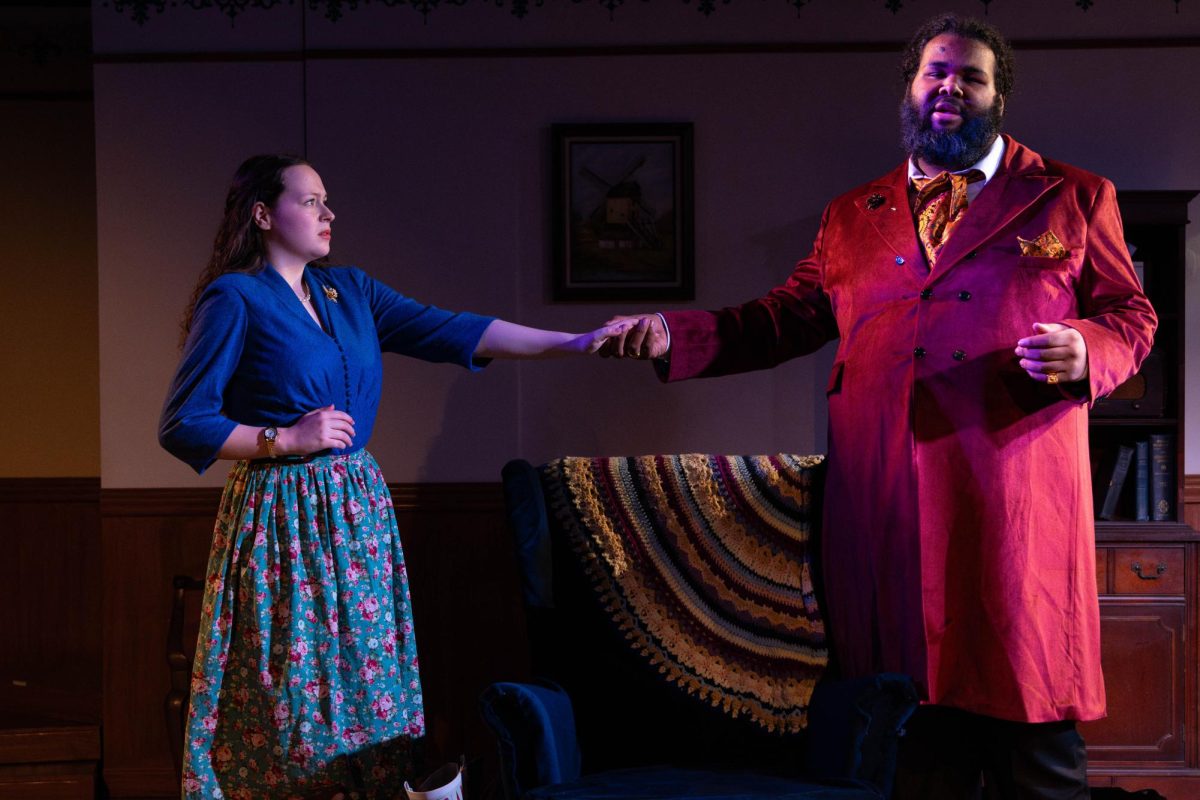











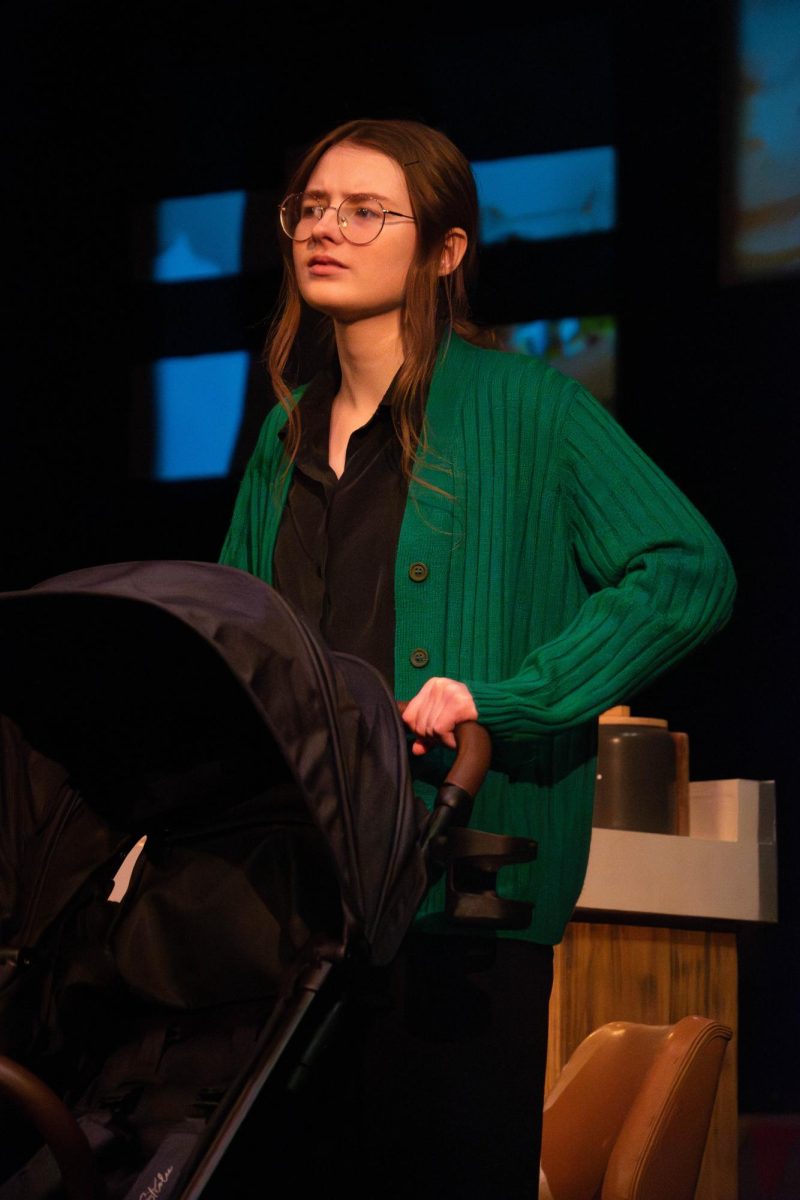
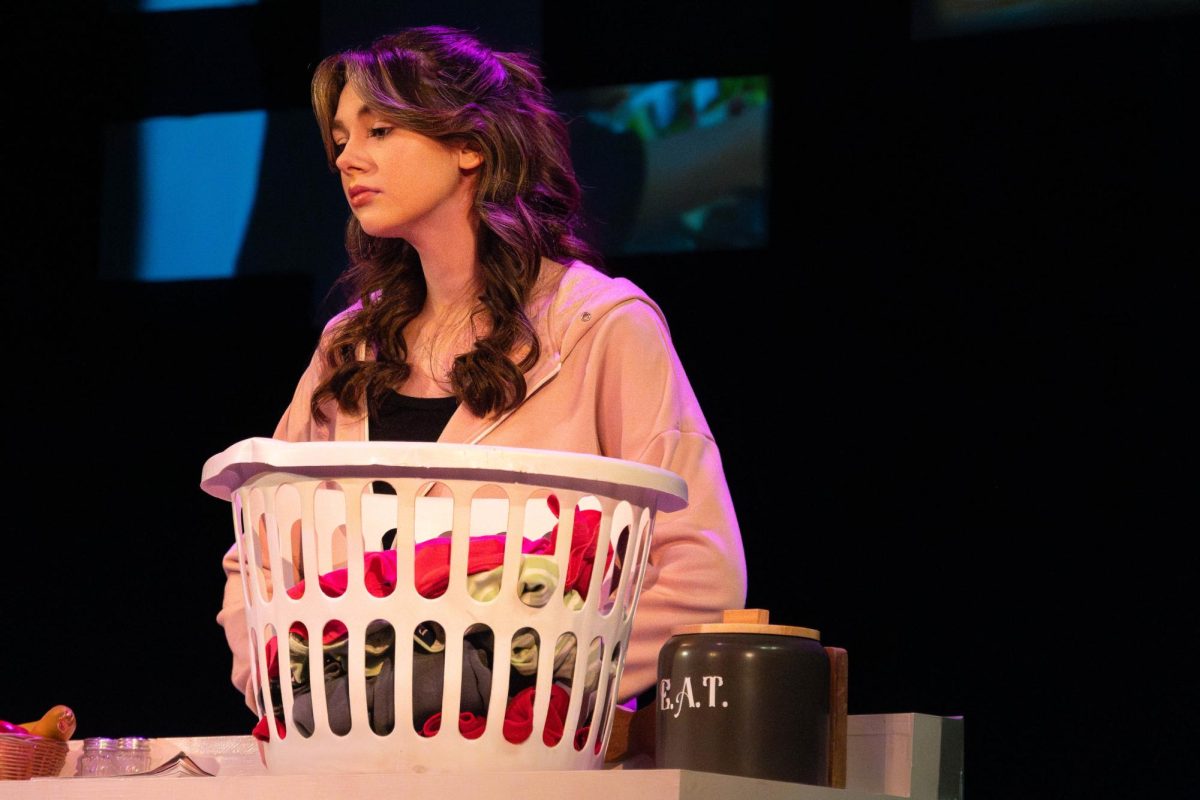
Joliet Junior College Theatre ran showings of their 2026 musical “Working: A Musical” from March 5-8. “Working” is based on the 1974 nonfiction book by Studs Turkle in which Turkle explores themes such as what makes work fulfilling and who should get the credit when a job is finished. JJC Theatre’s iteration of this story reminds us of these dilemmas, during a time in our society when jobs are seen less as one’s legacy, and more as means to an end.
The musical version of this story transforms these themes into a fractured yet endearing story in which you hear songs and monologues from many different professions, some linking to one another and some others a separate story all their own.
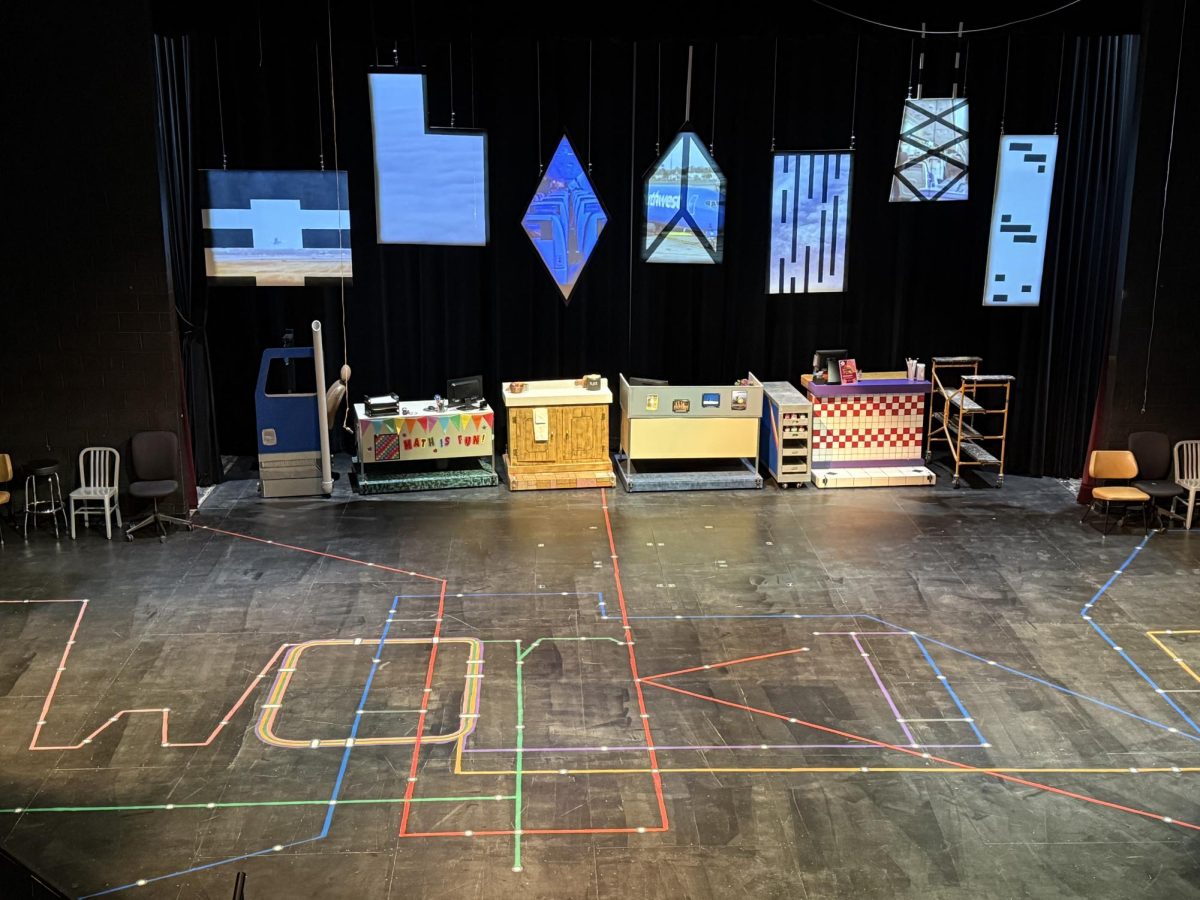
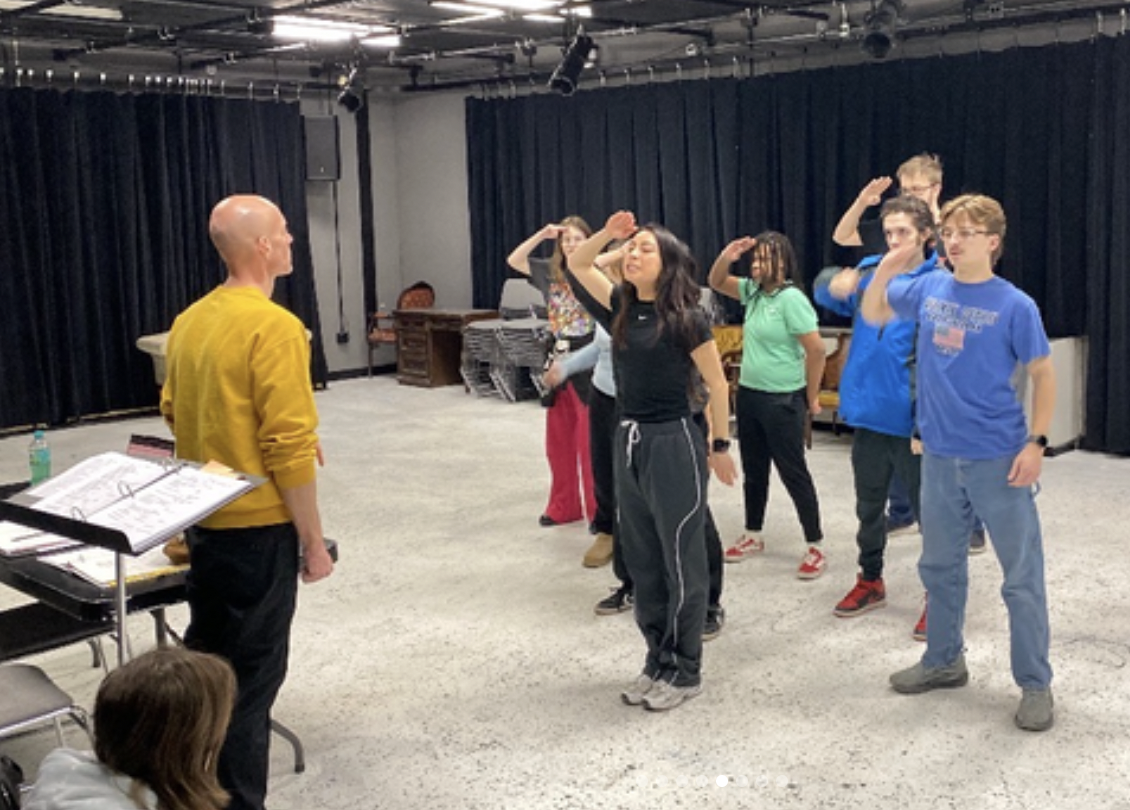
Directed by Associate Professor, Brian Fruits-Esparza, the show ran for an hour and 30 minutes straight, a whole 45 minutes quicker than its original runtime. Because of this the show doesn’t slow or halt at all, in fact, something is always happening even in the background. Actors and stagehands are constantly changing the scene, whether it’s setting up chairs to create a restaurant or classroom, sliding the desks and counters into the correct position for an office space, or flooding into the crowd, there is always moving parts to be sure the audience was never left bored.
To help differentiate between the separate scenes and occupations, the JJC Theatre Program used a cutout of the Chicago skyline and projected images associated with the main character of each respective song and monologue. The best usage of this was during the song “Fathers and Sons” one of the last ones performed. During this heartfelt tune, the skyline showed a montage of images of families of all different ages and backgrounds focusing on the family unit of it all.
As for the songs themselves, the cast comes together to create a powerful performance that really invokes the feeling of unity. When a cast member would sing by themself, they would occasionally be drowned out by the loud instrumental tracks, and when the rest of the cast joined in, they would meet and exceed the volume of the instruments. Whether an intentional choice or not, it felt like an actual workforce coming together to advocate for itself, against the oppressive silencing that the corporate overlords at the top try to ensure exists.
That feeling of unity is very central to the narrative of the story, culminating in a speech given by a protestor delivering a monologue from the audience. In her speech she talks about the strengths of unity and organization, about how alone the individual cannot change the exploitative nature of capitalism and how it fuels our current society. But together, with a clear common goal in mind, we can take these mechanisms of society and make them work for the everyday blue-collar workers who helped build this country, and if it works for them, it will work for everybody.
Together, Fruits-Esparza and the JJC Theatre department delivered a great show with an important message to the people of Joliet. It is a great reminder about why we care about art and how art cannot only influence but help create a better world for all of us.