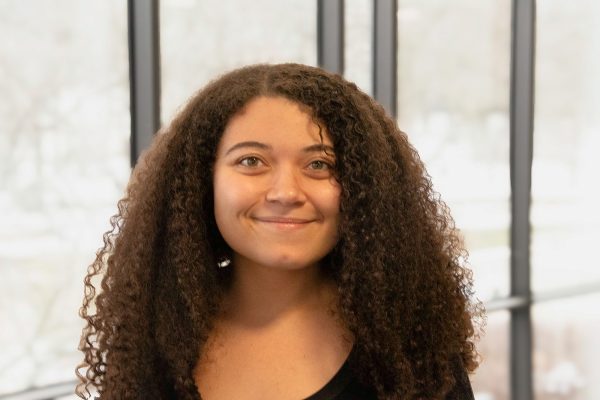



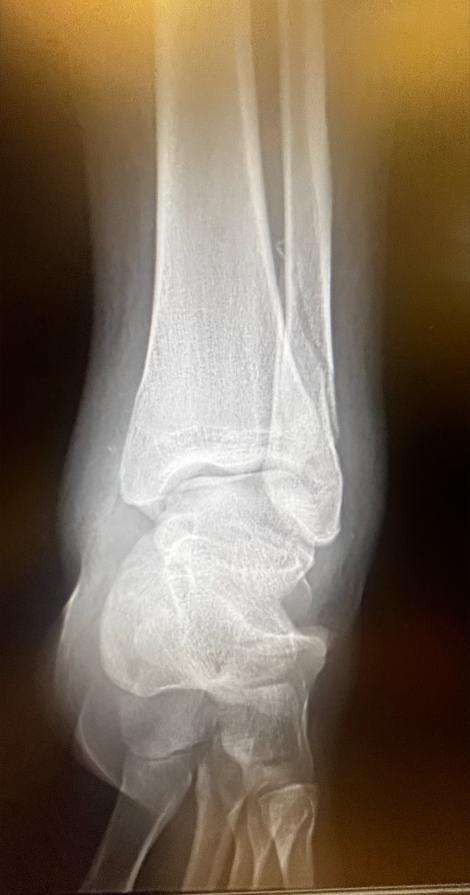
You or someone you know may have an orthotic device (braces or shoe inserts) or a prosthetic limb, but few stop to think about the people who design and build them. For Joliet Junior College student Mason Patterson, he has a personal connection to these devices. After a stroke at age 15, he was fitted for an ankle and foot orthotic (AFO), and it changed his life. Now, he is enrolled in JJC’s orthotics and prosthetics program.
“I used an orthotic device firsthand after I had a stroke when I was 15,” Patterson said. “And I learned about it after being a student here for a few years as an undecided major. And, when I heard about it, it brought me back to when I got fitted with my first ankle and foot orthotic, sitting in this clinic, learning how to walk again, and it made me so happy that I could learn about it and help people like how people helped me.”
The Orthotics and Prosthetics Technician Program has been at JJC for 19 years, according to Alisha Brennon, department chair of orthotics and prosthetics. The program trains students to design, fabricate, and fit custom orthopedic braces (orthoses) and artificial limbs (prostheses).
“Graduates are prepared to work as orthotic and prosthetic technicians in clinical settings, fabrication labs, hospitals and private practices, often working directly with clinicians to bring patient-specific devices from concept to completion,” Brennon said.
Brennon said that students get interviewed before joining. The program takes a cohort of no more than 15 in a cohort. A typical class size is 12, which, according to Brennon, allows for individual instruction. Students interested in joining the program are encouraged to sit in on a lab.
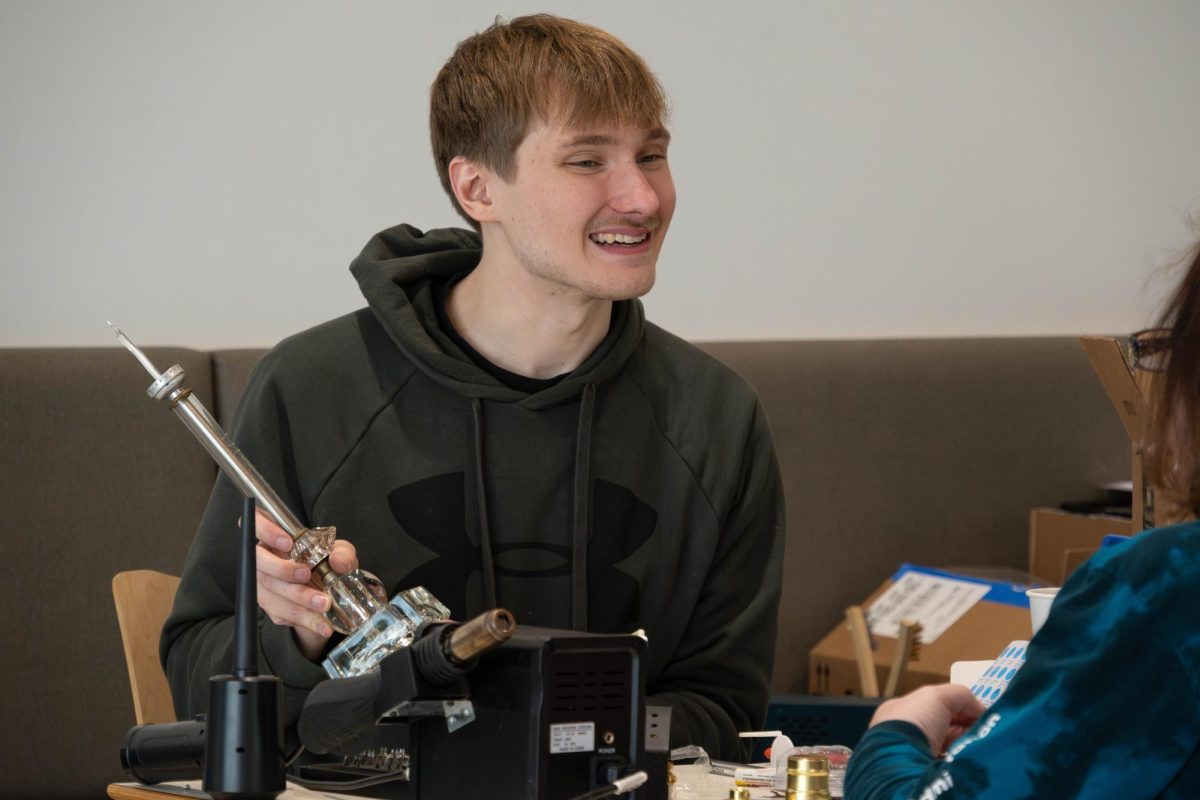
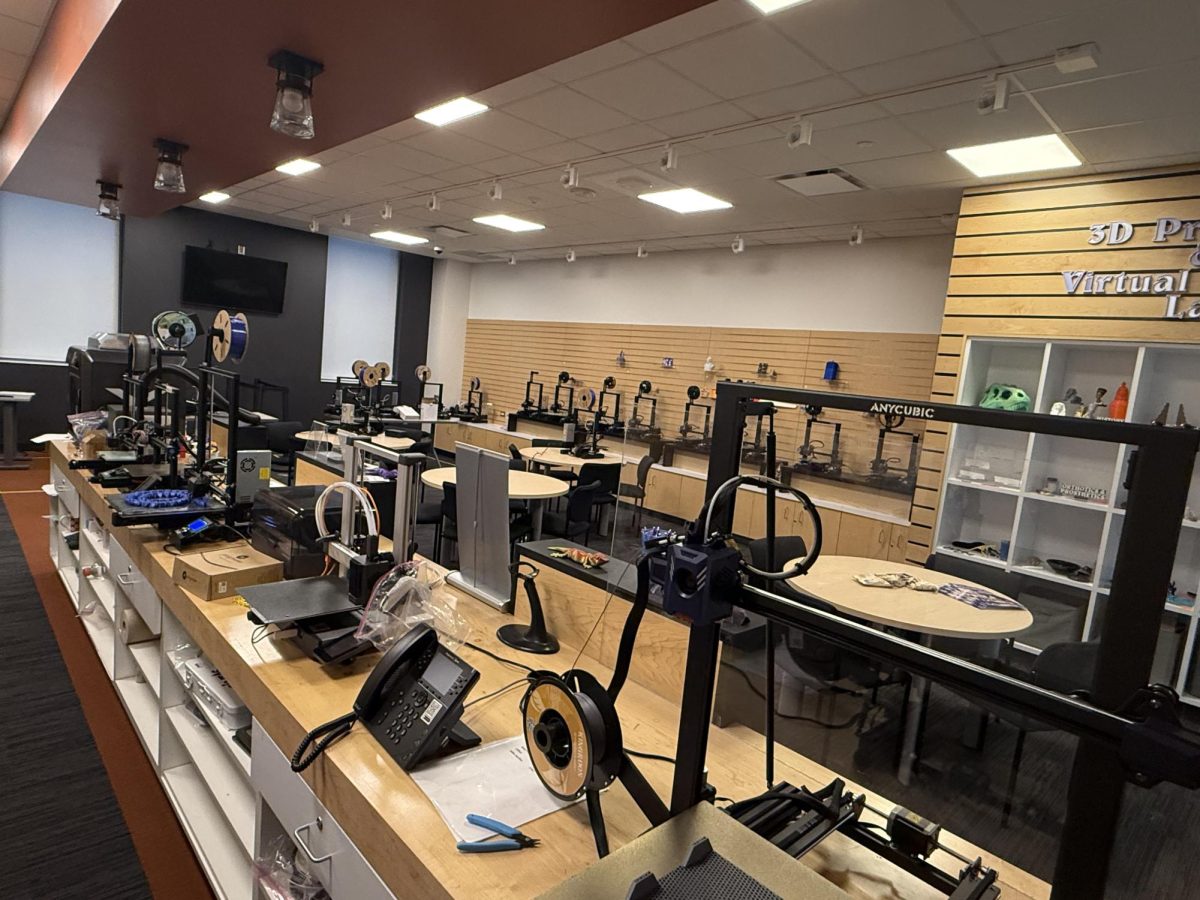
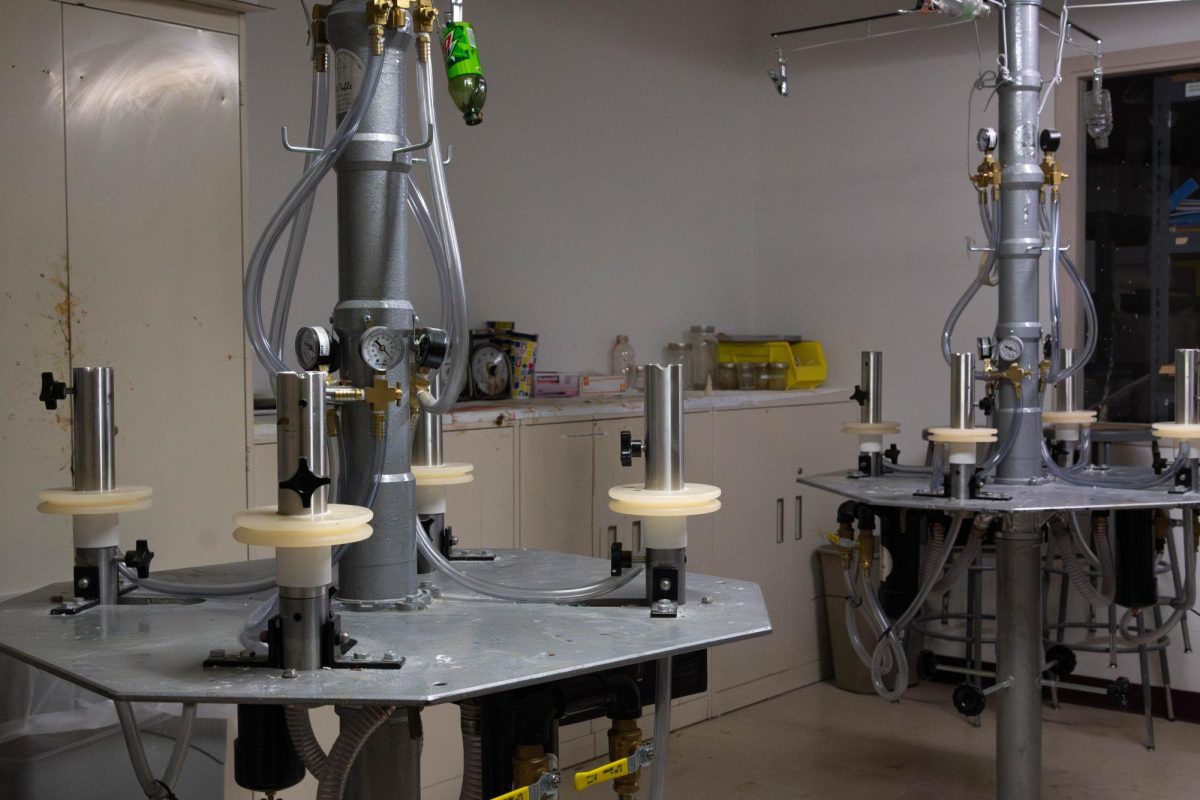
“(The lab) can be dirty, messy, sometimes a little dangerous because of the materials and machines we use,” Brennon said. “We want to ensure that every student coming through the program has a full grasp of what an orthotic and prosthetic technician’s tasks are day in and day out.”
Brennon noted the different career opportunities for graduates of this program.
“Because this is a technical program, the most common career is to become a technician in the field of orthotics and prosthetic specific companies, humanitarian work, continuing education to the Master’s level, and becoming a clinician, orthotic and prosthetic research, parts engineer,” Brennon said. “Truly, any job related to the orthotic and prosthetic field that does not require you to be a licensed clinician.”
Patterson looks forward to completing this program.
“I can go into technical work where you basically are given a mold of somebody’s leg, and you make what the doctor clinician says…Part of the program is to do affiliations or internships,” Patterson said. “So, you’ll be sent into the field and get real hands-on experience, and that’s where the students really learn what they like and what they don’t like.”
Because of his personal experience, Patterson is considering working with patients.
“Telling them my story,” Patterson said. “Like, I was where you were once, and you’ll get through it, and it’s hard now, but look where I got, and I’m helping you now. But I don’t know if that is for me yet, I’m still thinking about options.”
For Patterson, the program has taught him more about himself.
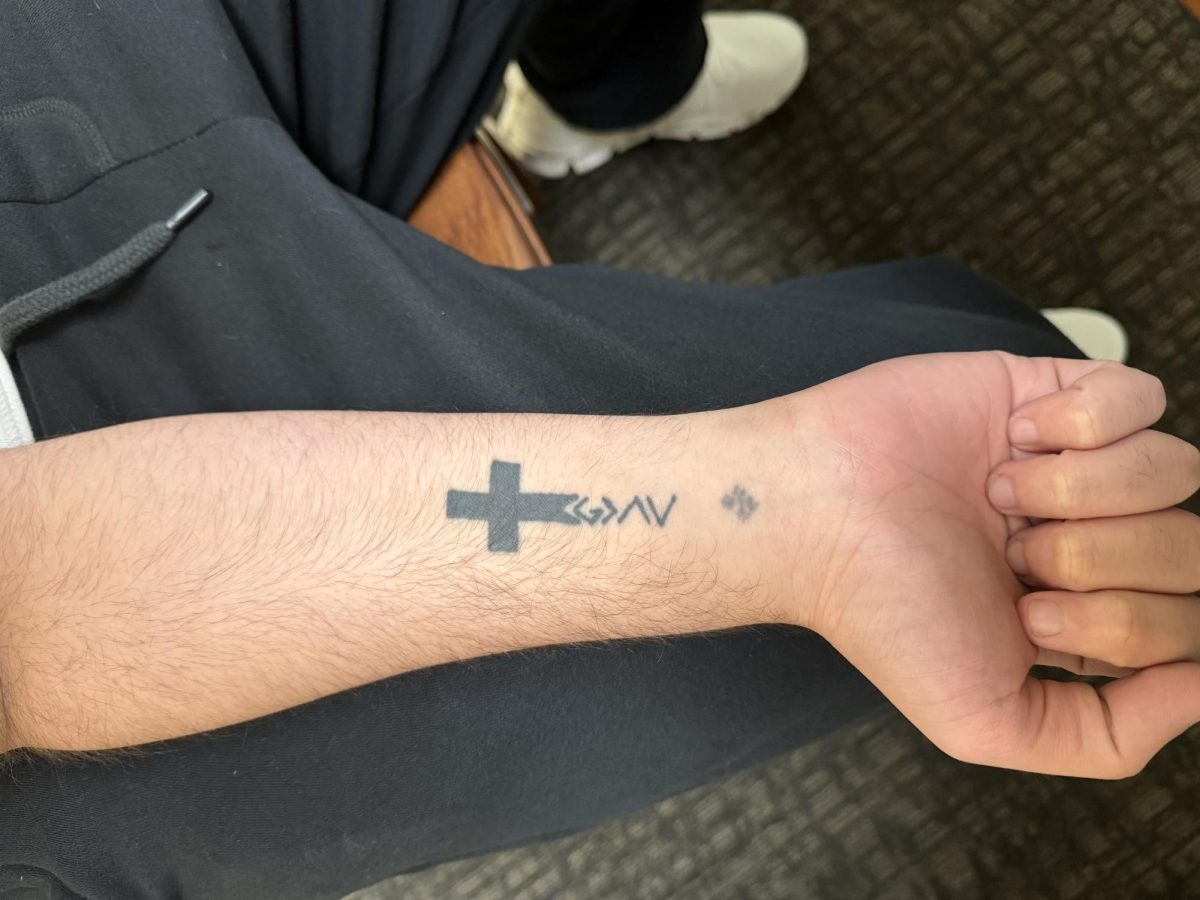
“There’s a lot that I didn’t know,” Patterson said. “Since I was a patient, I knew some of the exterior work, but I didn’t know how much work happened behind the scenes. It also taught me a lot about my disability. I can only use one hand most of the time. (It taught me) what I can and can’t do, and how I can improvise. To live through difficult situations that require two hands, but I only have one, I’ve learned to improvise. And that’s not something I was expecting to learn.”
Brennon noted the different career opportunities for graduates of this program.
“Because this is a technical program, the most common career is to become a technician in the field of orthotics and prosthetic specific companies, humanitarian work, continuing education to the Master’s level, and becoming a clinician, orthotic and prosthetic research, parts engineer,” Brennon said. “Truly, any job related to the orthotic and prosthetic field that does not require you to be a licensed clinician.”
Students gain real-world experience through internships.
“One opportunity that really stands out to me is an internship site we work with every semester where the owner exclusively hires Joliet Junior College graduates,” Brennon said. “Every time a student secures a position in the field, it leaves a lasting impression. When they are hired, thriving, and doing work they are truly passionate about, I know I’ve done my job.”
Brennon has advice for students looking to join this program.
“Be prepared to work hard and stay curious,” Brennon said. “If you enjoy hands-on learning, problem solving, and knowing that what you do directly improves someone’s quality of life, this is an incredibly fulfilling career path.”