



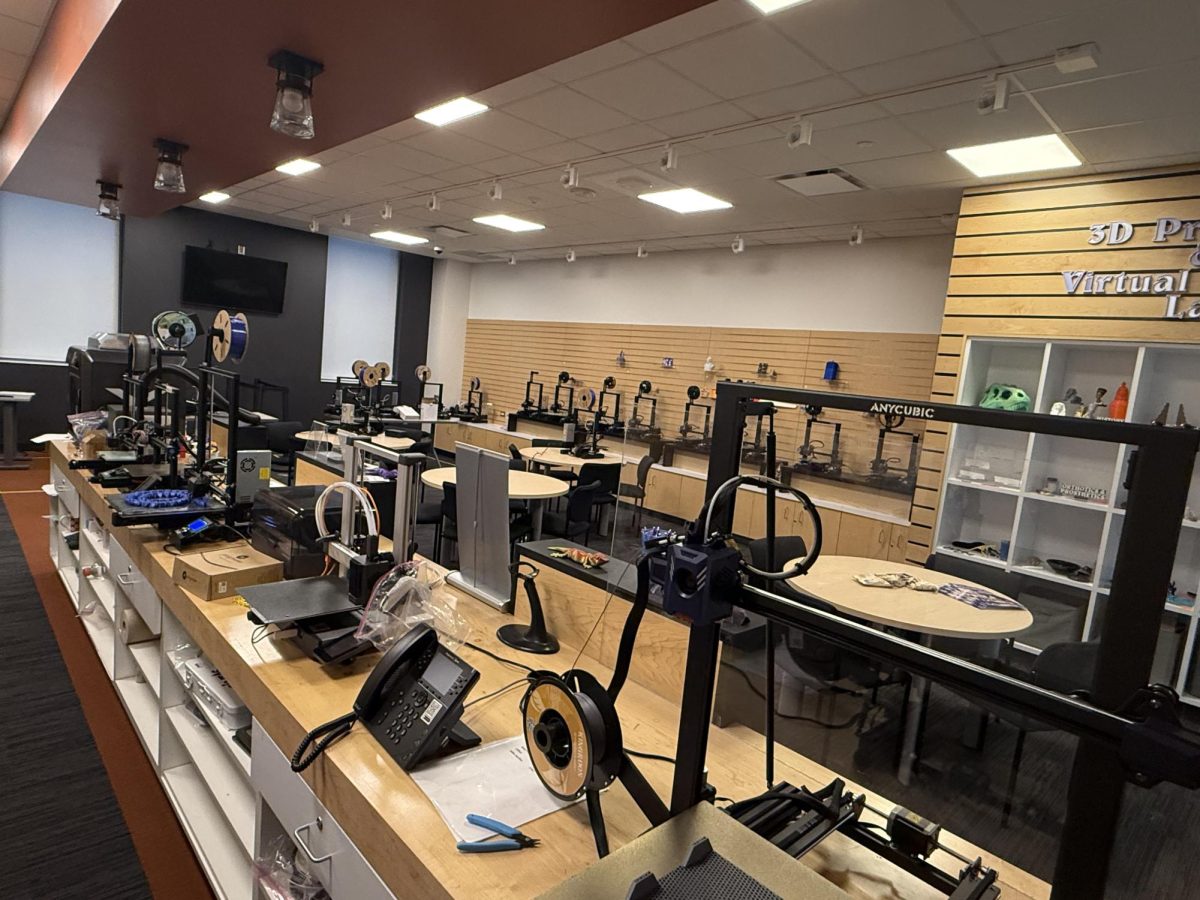
The MakerLab at Joliet Junior College is celebrating its 10 year anniversary, and coordinator Debra Daun says the program has grown from a quiet, little‑known space into a central part of the college’s mission of innovation and hands‑on learning. What began as a single lab has expanded into two locations—one at the Main Campus and another at the Romeoville Campus—reflecting rising student interest and the growing role of fabrication technology in education.
When Daun arrived in 2018, many students walked past without knowing what the lab was.
“Today students actively seek it out, and the lab has become so integrated into campus operations that it now prints the door tags for classrooms and offices across JJC,” Daun said.
She believes the lab’s growth mirrors the evolution of 3D printing itself, which was patented in 1983 for industrial prototyping and has since become widely accessible for education and small‑scale manufacturing.
The lab’s value became especially clear during the COVID‑19 pandemic, when Daun and her team produced masks and ear‑relief straps for hospitals throughout Illinois. Community members picked up the personal protective equipment at the campus security office, turning the lab into an unexpected contributor to national relief efforts.
The MakerLab uses Ender 3D printers. Daun describes them as affordable and reliable for both beginners and advanced users. It also houses a Boss Laser LLC laser cutter within the internals.
Looking ahead, the department is pursuing a grant that would allow the college to rewire the main campus lab and upgrade equipment to match the technology used at four‑year institutions.
“These improvements would strengthen transfer pathways and ensure students are learning on machines that reflect the current industry standards,” Daun said. “One of the features that makes the JJC MakerLab unique is its direct connection to manufacturing career pathways.”
After attending a STEM education conference, she realized the lab was the only one she knew of that explicitly pointed students toward careers in manufacturing. She hopes to expand into automation in the future to align with industry needs and the technology used at four‑year institutions.
Student demand has changed significantly over the years.
“One of the biggest early challenges was simply helping people understand what the lab was and why it mattered,” Daun said.
Now, the lab collaborates with local businesses, schools, and community groups. Staff have taught YMCA classes, attended STEM fairs, offered public tours and even created items for Monica’s Pizza. Daun said the lab reaches out “as much as possible” because showing people the technology is often the best way to spark interest.
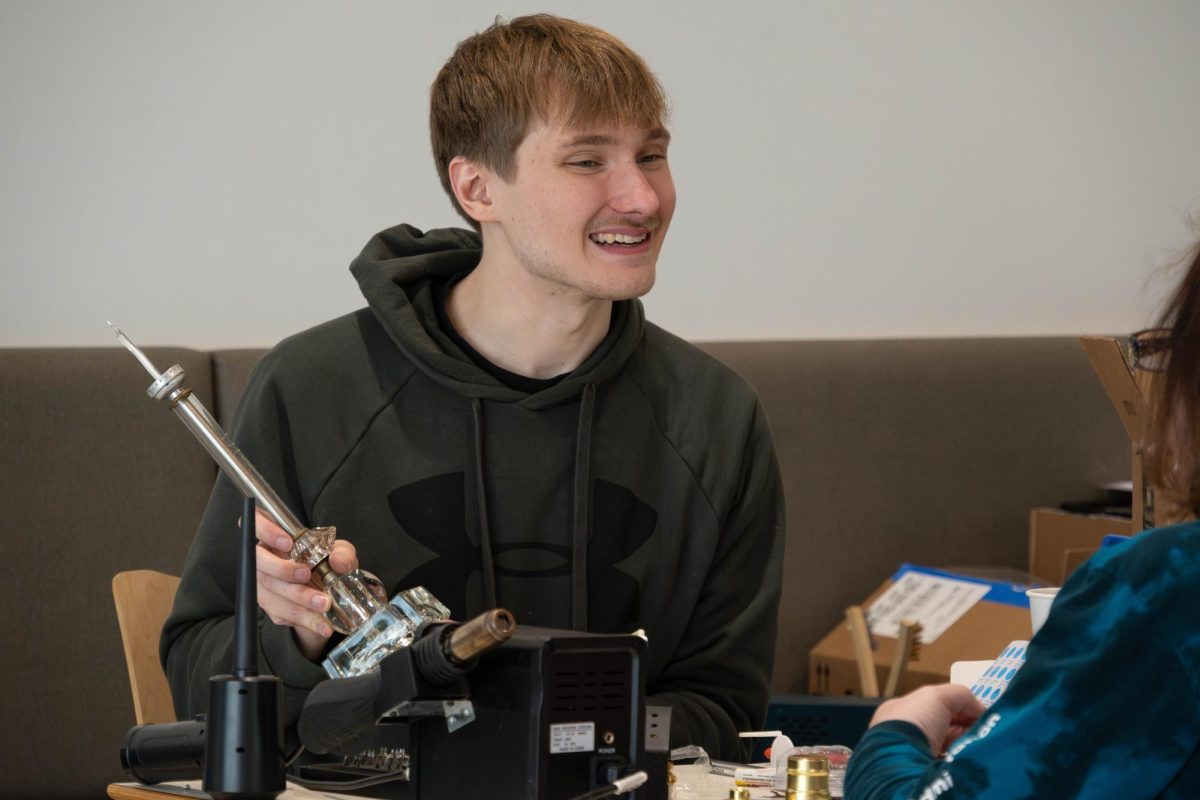
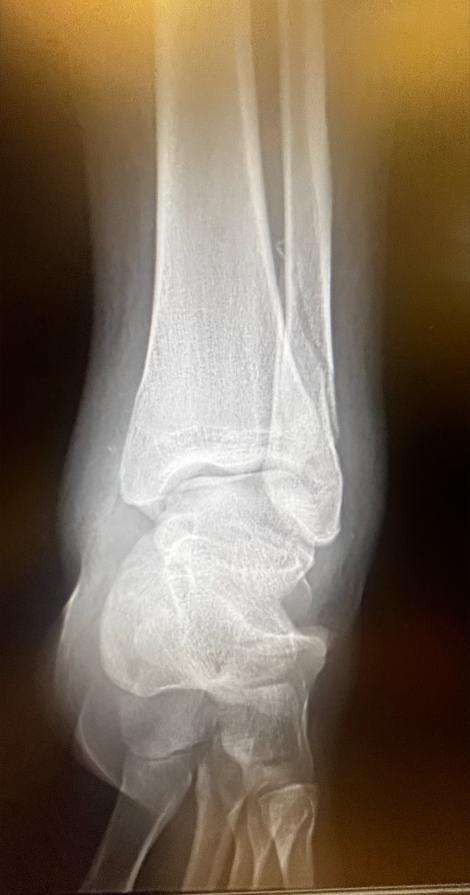
For student staff member Anthony, the MakerLab has been a defining experience. He first became interested in 3D printing through his sister and later joined the lab after experimenting at home. One of his proudest moments was the completion of a project, which was a custom 3D‑printed cast he designed for his own hand because the standard cast made it difficult to hold tools. Working in the lab has shaped Anthony’s future plans by giving him the chance to troubleshoot and maintain machines; skills he would not have been able to develop elsewhere.
Daun emphasizes that the MakerLab is not just a creative space but also a form of vocational training. Students not only learn modeling, fabrication and machine maintenance, but they also learn the business side. The lab provides a worksheet to help students calculate how much to charge for prints so they do not lose money if they pursue entrepreneurial projects.
She hopes more people discover how accessible the technology really is. For beginners who feel intimidated, the lab offers simple starter prints—dinosaurs, butterflies, and other ready‑made designs—to help them experience the excitement of turning a digital file into a physical object. Daun wishes more people understood how easy, fun and valuable 3D printing can be.